Cocktail & hotel bars
Ice within reach at each station; premium programs pair an undercounter gourmet unit with a general cube machine — see the bar program.
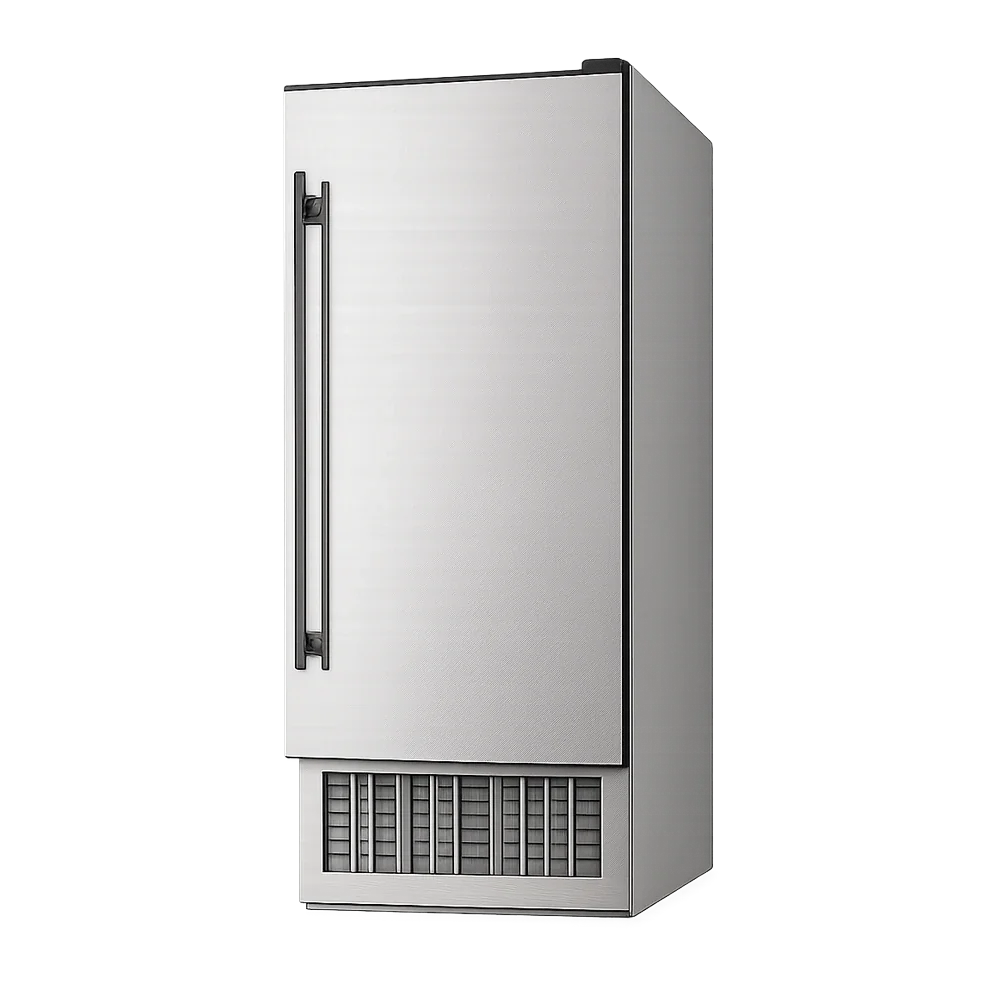
Configuration buyers compare specs side by side — send your quantity, voltage, and market requirements for a factory quotation.
Model data for this category is being prepared. Send an inquiry and KAISON will recommend suitable models with full specifications within 24 hours.
Request Model ListCabinet configuration decides how the machine fits your site, not just how it looks. Confirm these six points before finalizing a model.
| Item | Why it matters |
|---|---|
| Voltage & frequency | 220V/50Hz standard, with 110V/60Hz, 220V/60Hz, and 380V/50Hz options per destination market. |
| Water supply & drainage | Confirm inlet pressure and gravity or pumped drainage so the install matches your site plumbing. |
| Cooling method | Air-cooled installs cheaper and needs no water; water-cooled holds output in hot, high-ambient kitchens. |
| Footprint & clearance | Cabinet dimensions plus service clearance on the condenser side for airflow and maintenance access. |
| Noise requirements | Guest-facing or quiet environments may need a lower-noise compressor and fan configuration. |
| Certification needs | CE, ETL, FCC, or CB support depending on the destination country's import and safety requirements. |
A complete maker-plus-bin unit built to slide beneath a standard 850–900mm counter. The point is workflow: staff who can scoop without turning away from the guest pour faster on every drink.
Ice within reach at each station; premium programs pair an undercounter gourmet unit with a general cube machine — see the bar program.
Iced drinks dominate cafe menus, and a below-counter unit feeds them without giving up display space — see cafe planning.
Where the floor plan has no room for a full-height cabinet.
Fitted environments where equipment must disappear into the counter line.
Capacity figures mean little if the unit cannot live where you need it — check fit and airflow first, output second.
| Item | What to confirm |
|---|---|
| Ventilation direction | Front-breathing or managed airflow for flush installation — a side-venting cabinet boxed into joinery will overheat |
| Finished height | Machine height at minimum feet versus your opening, including worktop overhang |
| Noise level | The machine lives in the guest area, not a back room — ask for the dB rating |
| Service access | The unit must slide out: leave slack in water, drain, and power connections behind it |
| Capacity per station | 20–90kg/24h class; a bar station uses 1–1.5kg per seat per night |
| Ambient at the bar back | Hot enclosed bar backs derate output — send conditions and KAISON confirms sizing |
Height built to the 850–900mm standard with adjustable feet, and doors configured for cramped access between cabinetry.
Decor panels over the vent are the one hard no — matching panel finishes come through the OEM/ODM program instead.
Multi-station venues install one machine per main station rather than one big cabinet at the end of the bar and bartenders walking all night.
Refrigeration engineers help confirm voltage, cooling method, and footprint before you commit to a configuration.
200+ commercial refrigeration models so distributors can complete projects from one supplier.
Private label, appearance, packaging, and parameter customization for your market.
Every machine passes leakage, electrical safety, and ice-making performance tests before shipment.
Every undercounter ice machines ships from KAISON's own 20,000㎡ factory in Cixi, Ningbo — cabinet fabrication, refrigeration assembly, and full performance testing under one roof.

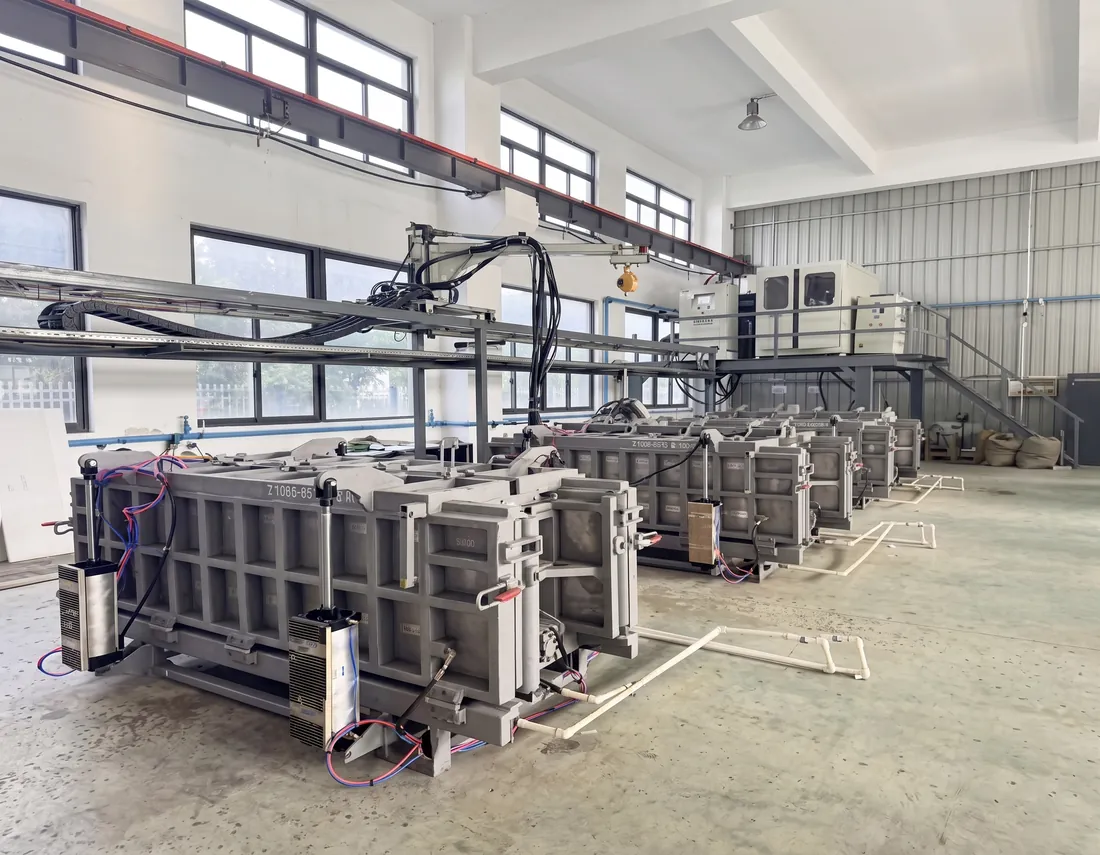
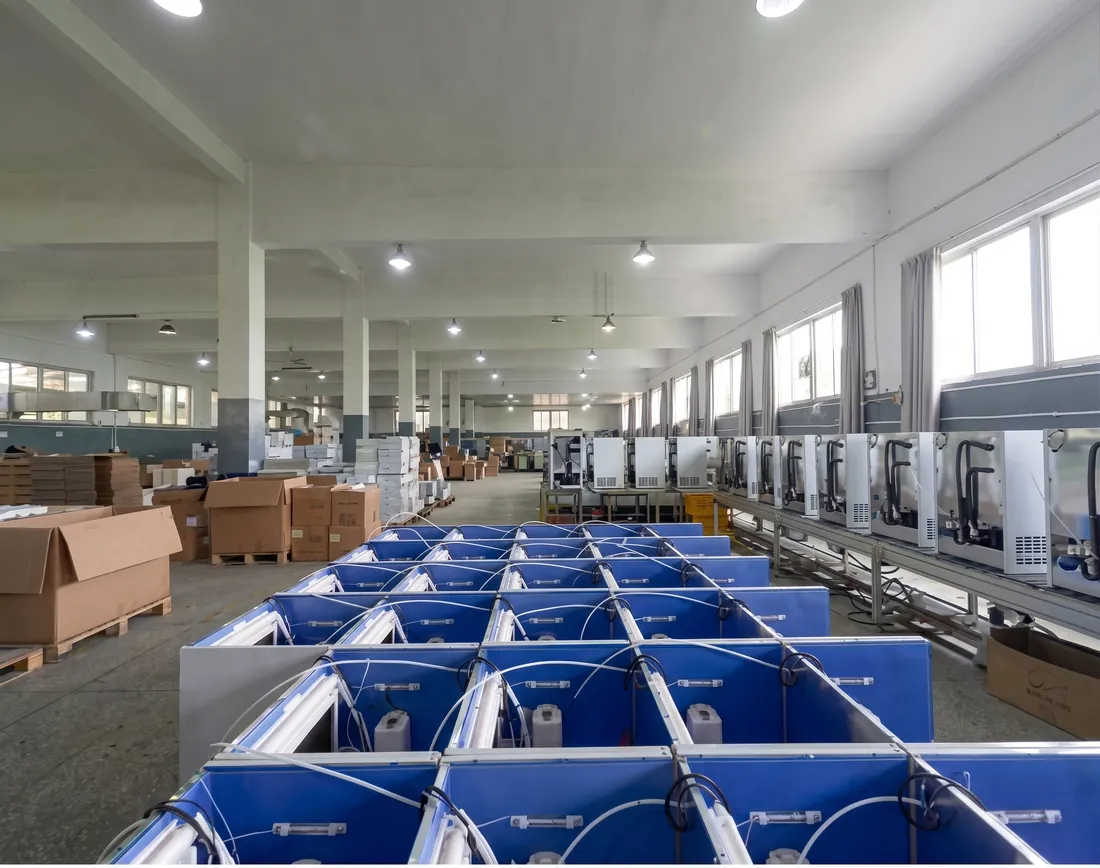


From requirement confirmation to after-sales support, KAISON follows a clear customization path so brand owners and distributors always know their project status.
Application, ice type, daily capacity, voltage, cooling method, and certification needs are confirmed before planning.
Model recommendation, technical specifications, capacity evaluation, and cost analysis, then your branding built in — logo, color, panel finish, and packaging.
A working prototype and engineering drawings are prepared for new designs, adapted to your voltage, frequency, and market requirements.
The sample is tested for ice-making performance, electrical safety, and refrigeration reliability; you approve appearance, output, and packaging before mass production starts.
Incoming inspection, assembly, refrigerant charging, and testing on every unit off the line, then certification documents and export packing under EXW, FOB Ningbo, CIF, or DDP terms.
Installation and maintenance videos, spare parts support, and remote technical guidance for overseas buyers.
They are built for standard 850–900mm counters, with adjustable feet to meet the finished opening. Always compare the machine's minimum height to your opening including worktop overhang.
Purpose-built undercounter machines manage airflow for enclosed installation — typically front-breathing — and are engineered for counter height, cramped door access, and lower noise in guest areas. A side-venting cabinet boxed into joinery will overheat.
Plan 1–1.5kg per seat per night. Undercounter outputs of 20–90kg/24h cover most single-station bars; multi-station venues install one unit per station rather than one large machine.
Do not cover the ventilation grille — that is the one hard rule. Panel finishes and branding that suit fitted interiors are available through KAISON's OEM/ODM program instead.
Cube ice as standard, with nugget and gourmet options on selected models — cocktail programs often run a gourmet undercounter at the bar plus a general cube machine in the back.
The unit must be able to slide out: leave slack in the water, drain, and power connections behind it and keep the route clear. KAISON provides maintenance videos and spare parts support.
Yes — like any air-cooled machine, output derates above rated ambient. For hot, enclosed bar backs, tell KAISON the ambient conditions and we will confirm sizing or recommend a step up.

Ningbo Kaison Electric Appliance Co., Ltd. manufactures commercial ice machines for distributors, importers, foodservice equipment suppliers and private-label OEM/ODM projects.