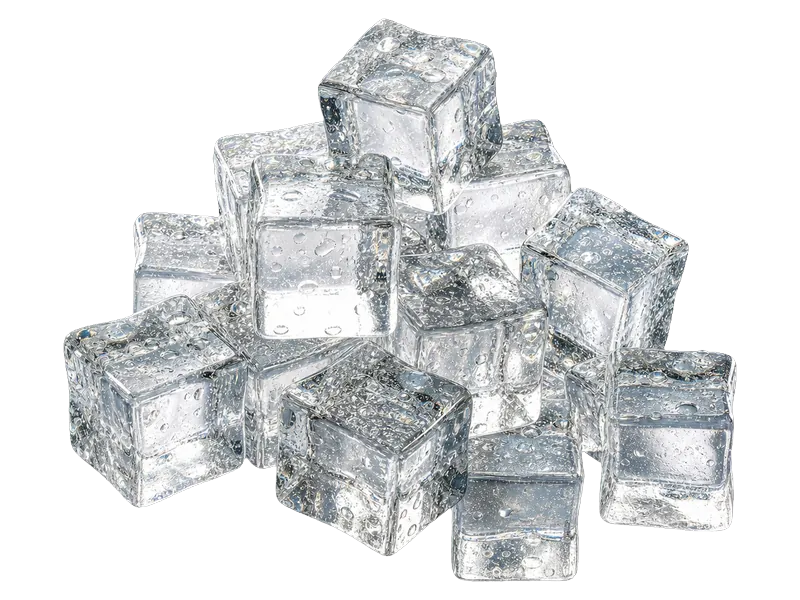
 Cube
Cube 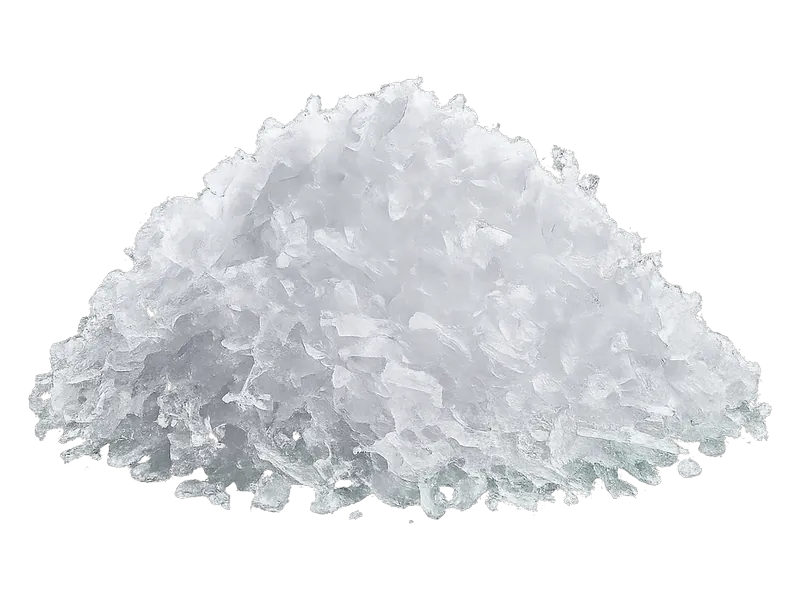 Snowflake
  Nugget
  Gourmet
 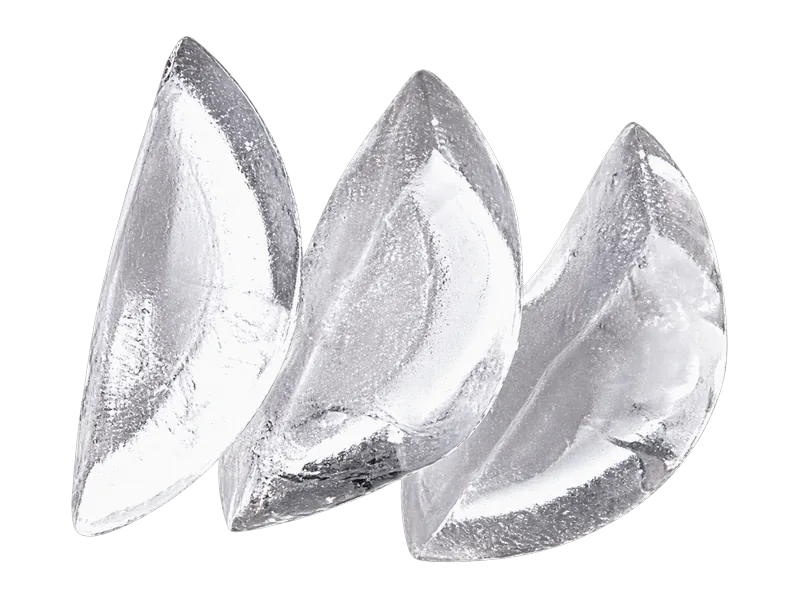 Crescent
  Large Cube
  Bullet
  Shaved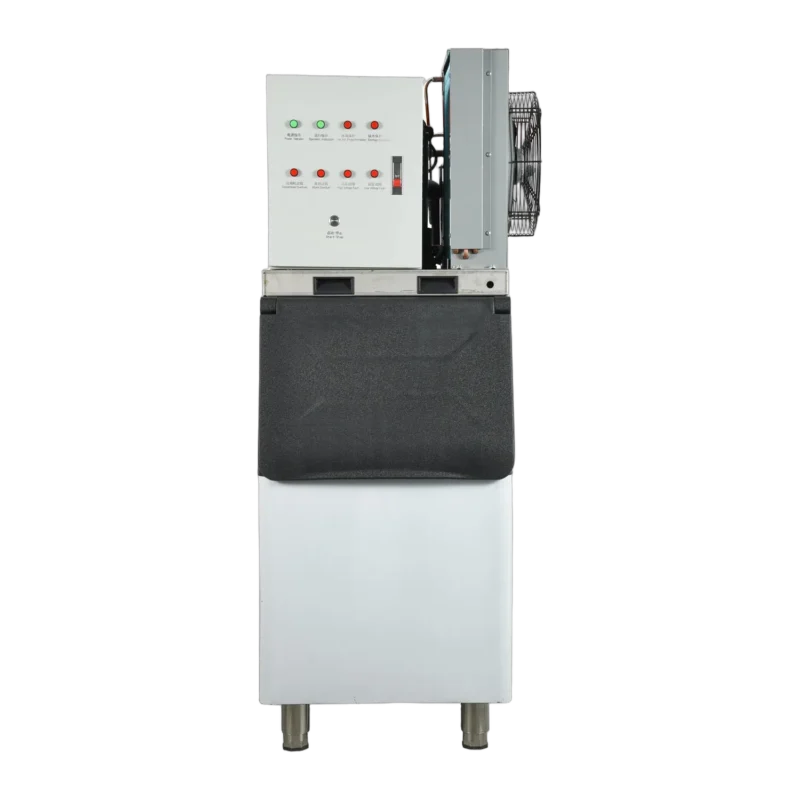
200kg Commercial Flake Ice Machine KP-200
Sub-Cooled Dry Flake Ice | Highly or Panasonic Compressor | 304 Stainless Steel Evaporator
View details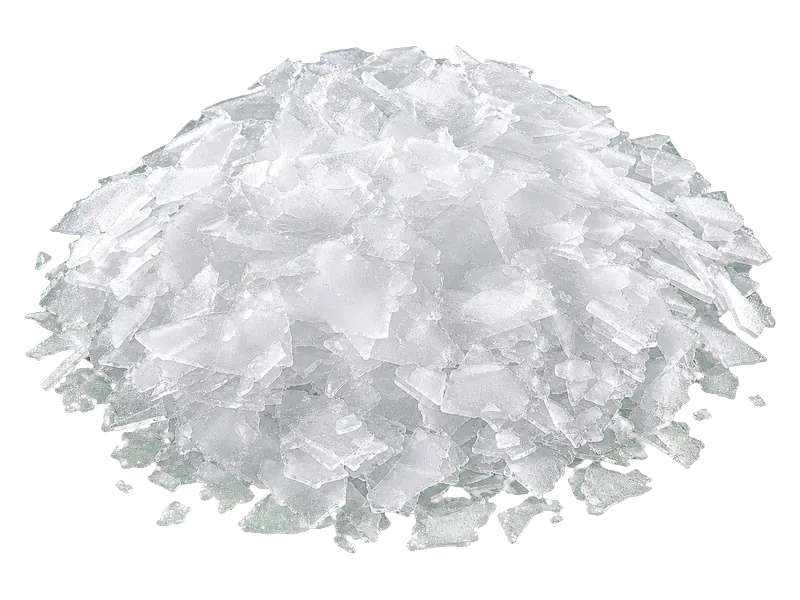
Compare capacities and configurations below, then send your quantity, voltage, and market requirements for a factory quotation.
Sub-Cooled Dry Flake Ice | Highly or Panasonic Compressor | 304 Stainless Steel Evaporator
View details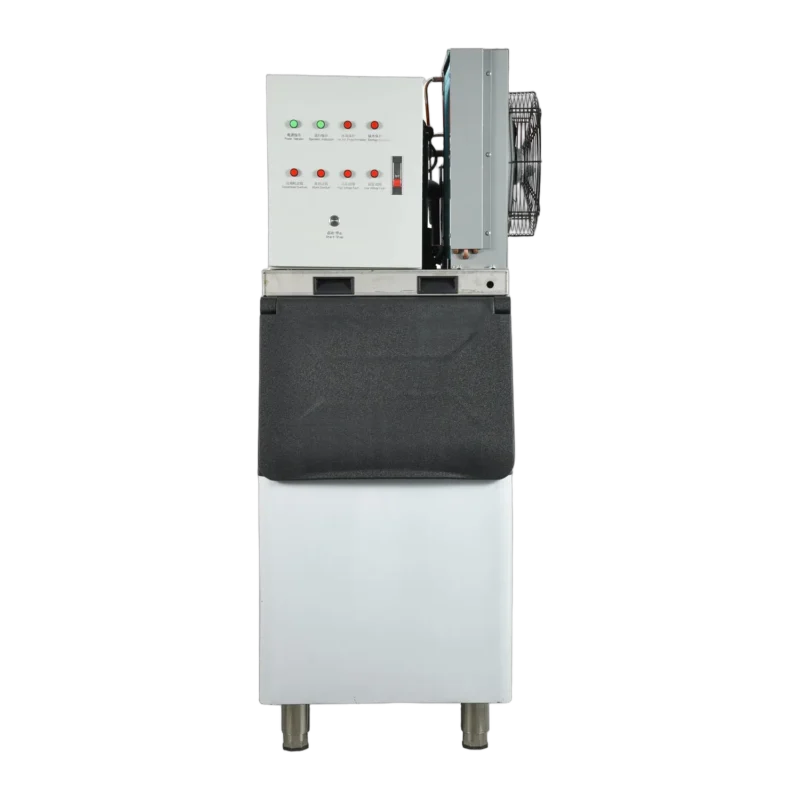
Sub-Cooled Dry Flake Ice | Highly or Panasonic Compressor | 304 Stainless Steel Evaporator
View details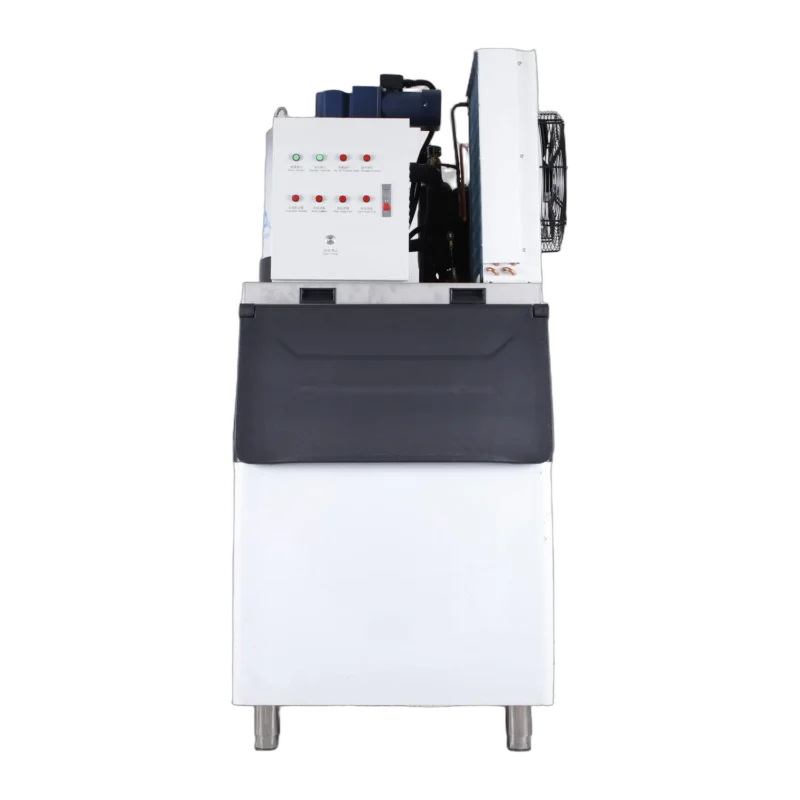
0.5-Ton Daily Production | Highly or Panasonic Compressor | 304 Stainless Steel Evaporator
View details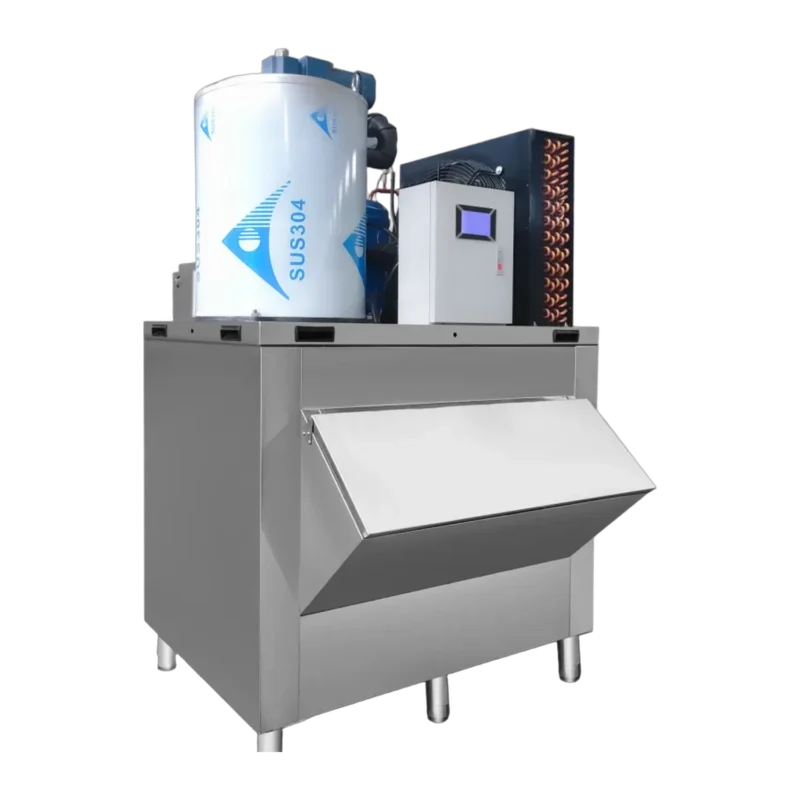
1-Ton Daily Capacity | Highly or Panasonic Compressor | Industrial-Grade 304 Stainless Steel
View details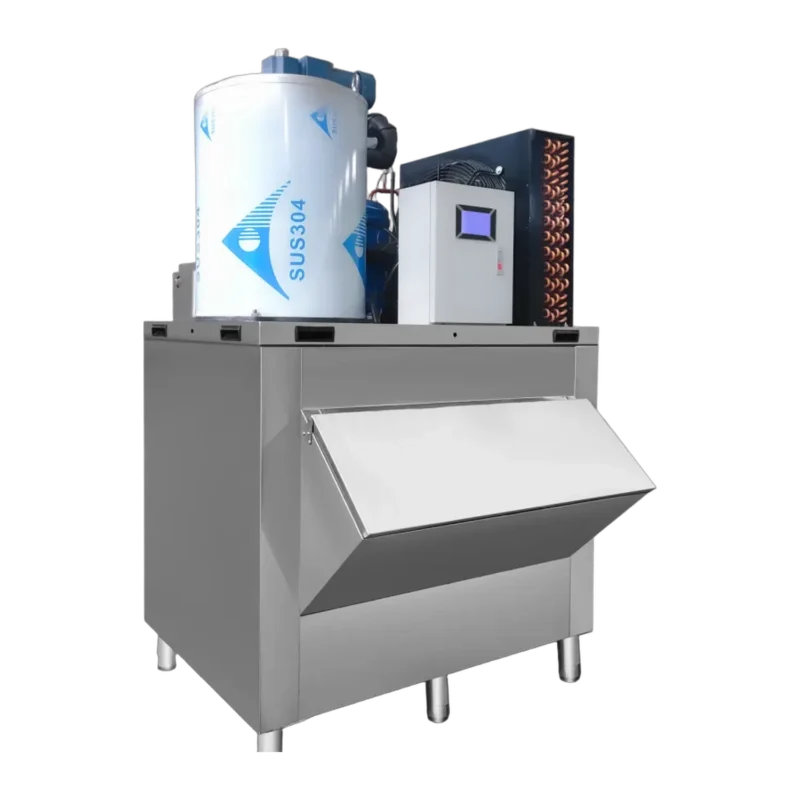
1.5-Ton Daily Production | Highly or Panasonic Compressor | Heavy-Duty 304 Stainless Steel
View details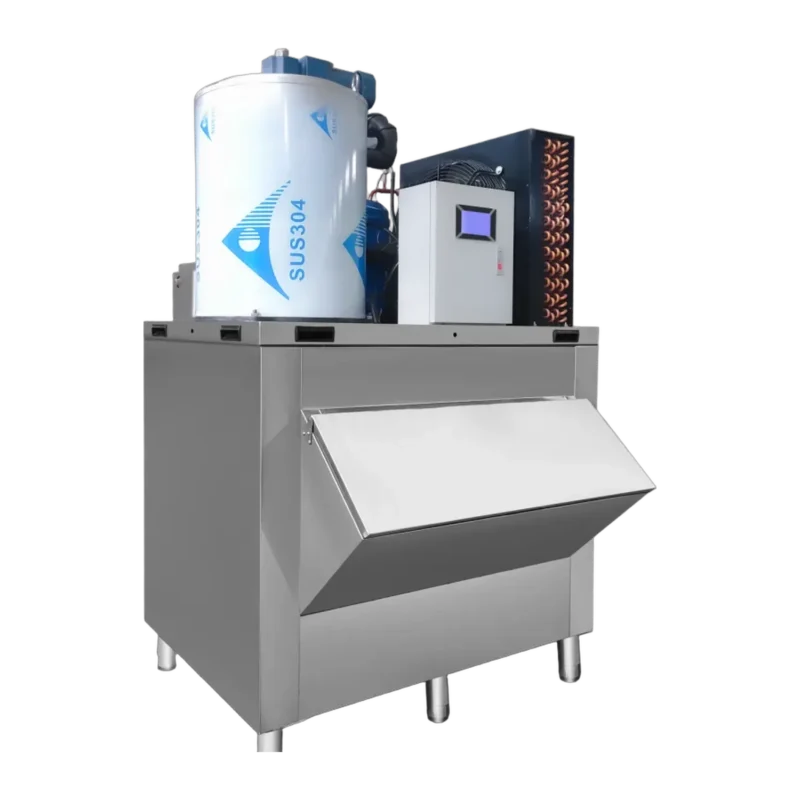
2-Ton Daily Capacity | Highly or Panasonic Compressor | Heavy-Duty Industrial Performance
View details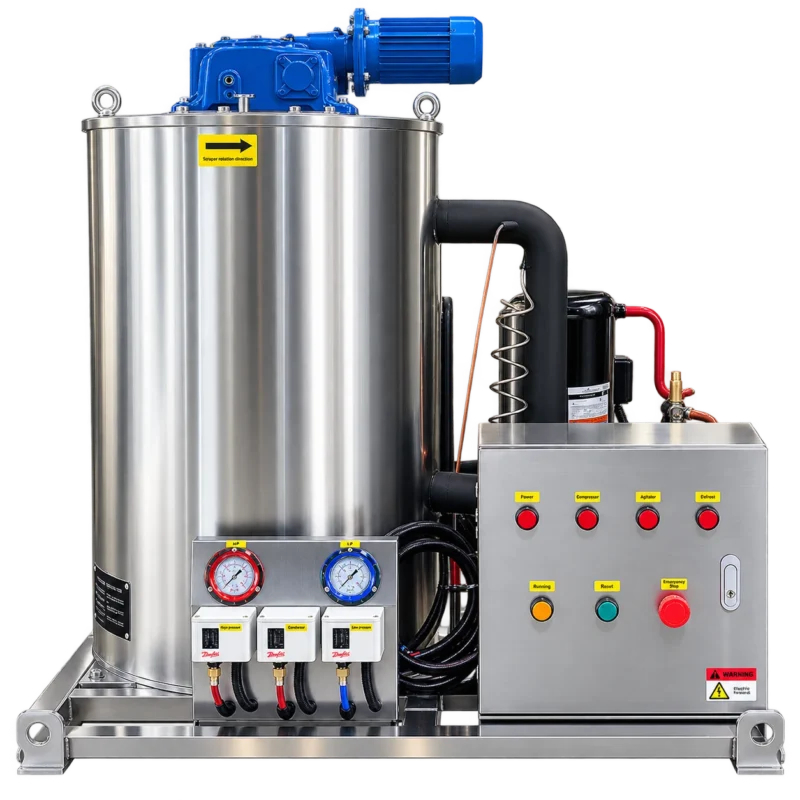
3-Ton Daily Capacity | Highly or Panasonic Compressor | Industrial-Scale Cooling Solution
View detailsIce shape affects presentation, melt rate, and machine sizing as much as price does. These four factors decide whether it is the right fit.
Denser ice melts slower and looks clearer in the glass — a factor for drink presentation, transport, and display time.
Daily output is rated over 24 hours, but demand peaks in hours — size the bin so the busiest shift never runs short.
The same ice shape performs differently across bars, restaurants, hotels, and industrial lines — match it to how it will actually be used.
One-button self-cleaning, water filtration, and food-safe materials keep daily commercial use simple and sanitary.
Flake ice covers roughly twice the contact surface of cube ice at the same weight, pulling heat out of product faster and more evenly — contact cooling is its job.
Flake beds hold fish at 0–2°C without bruising, and re-icing is fast because flakes mold around the product.
Flake ice is dosed by weight directly into mixing to control dough and meat temperature — see industrial systems.
Batching plants replace mix water with flake ice to control curing temperature on hot-weather pours.
Top-icing keeps humidity high and temperature low for produce and poultry in transport.
| Item | Detail |
|---|---|
| Ice form | Thin, soft, subcooled chips at about -7°C — moldable by hand around product |
| Production | Continuous auger evaporator, no harvest cycle — steady output, lower energy per kg than cube |
| Capacity span | 500kg/24h supermarket units to multi-ton industrial systems as modular head + bin |
| Not for drinks | Flake melts fast in liquid — it is contact-cooling ice, not presentation ice |
| Corrosion options | Stainless evaporator drums and anti-corrosion cabinets for seawater and coastal installations |
| Power | 220V single-phase on smaller units; 380V/50Hz three-phase standard above ~1 ton/day |
Supermarkets run 500kg–1t/24h, processors and fisheries 1–5t. Insist on output figures at your summer plant temperature, not catalogue conditions.
Production is continuous but demand is not — size the bin to your peak few hours of draw, and let overnight production fill the buffer.
High-ambient plants and fishing ports usually specify water-cooled condensers for stable output in hot machinery spaces.
Own factory near Ningbo port with source-level procurement in the refrigeration industrial cluster.
200+ commercial refrigeration models so distributors can complete projects from one supplier.
Private label, appearance, packaging, and parameter customization for your market.
Every machine passes leakage, electrical safety, and ice-making performance tests before shipment.
Every flake ice machines ships from KAISON's own 20,000㎡ factory in Cixi, Ningbo — cutting, welding, foaming, assembly, and testing all under one roof.

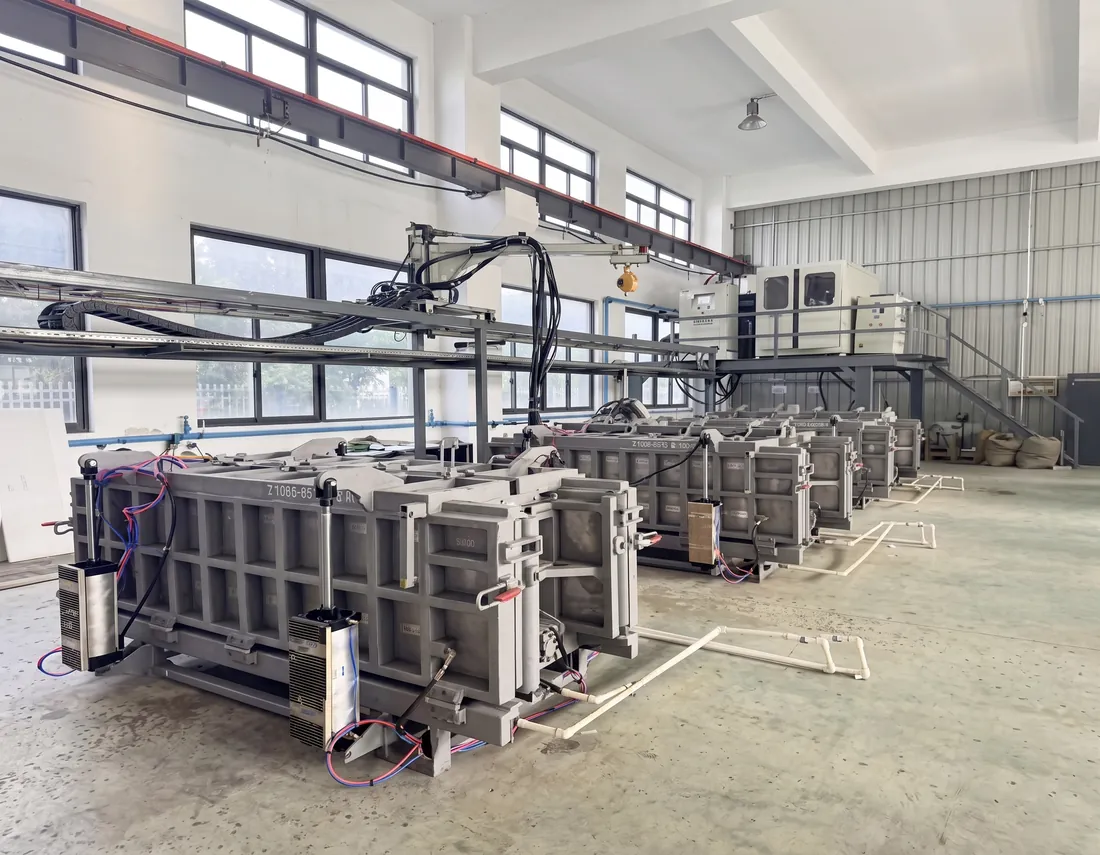
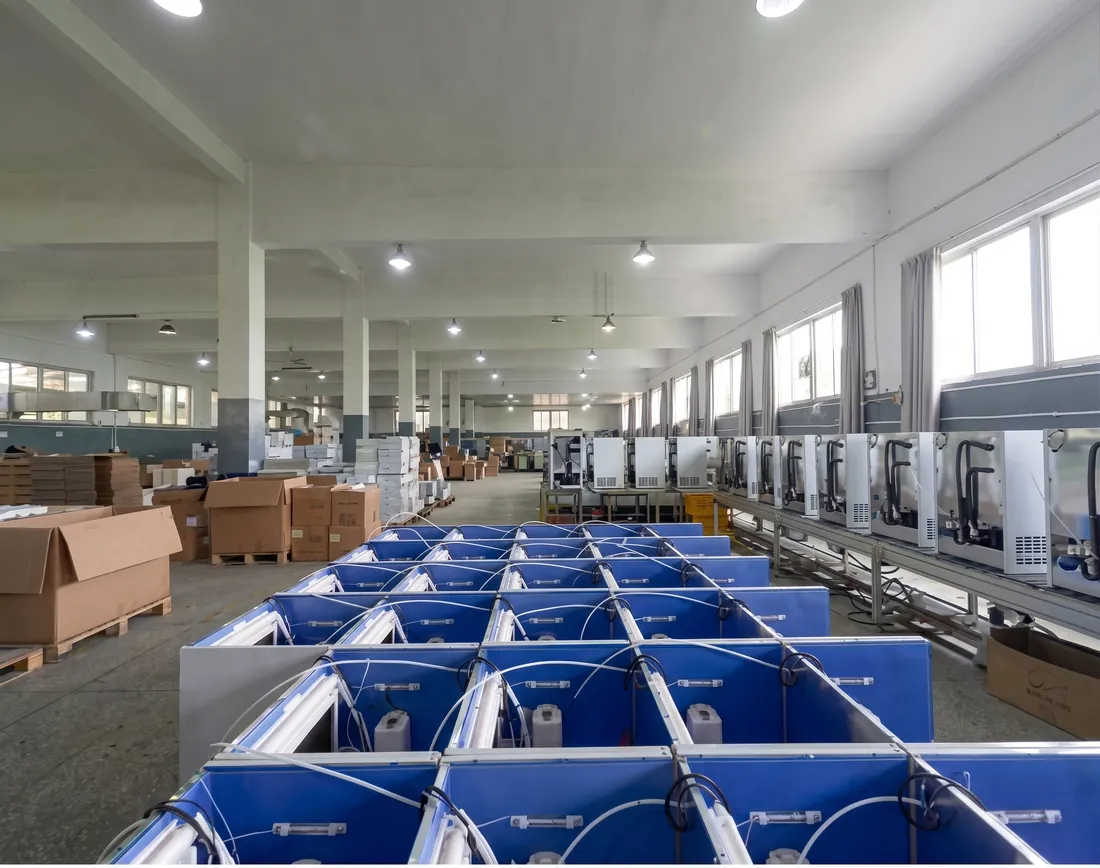


From requirement confirmation to after-sales support, KAISON follows a clear customization path so brand owners and distributors always know their project status.
Application, ice type, daily capacity, voltage, cooling method, and certification needs are confirmed before planning.
Model recommendation, technical specifications, capacity evaluation, and cost analysis, then your branding built in — logo, color, panel finish, and packaging.
A working prototype and engineering drawings are prepared for new designs, adapted to your voltage, frequency, and market requirements.
The sample is tested for ice-making performance, electrical safety, and refrigeration reliability; you approve appearance, output, and packaging before mass production starts.
Incoming inspection, assembly, refrigerant charging, and testing on every unit off the line, then certification documents and export packing under EXW, FOB Ningbo, CIF, or DDP terms.
Installation and maintenance videos, spare parts support, and remote technical guidance for overseas buyers.
Flake ice is thin, soft, subcooled chips formed at about -7°C. It molds around product without damage and cools faster than cube ice thanks to its larger contact surface — but it is for display and processing, not for serving in drinks.
From 500kg/24h supermarket units to multi-ton industrial systems. Above roughly 1 ton per day, machines are supplied as a modular flake head over a separate storage bin sized to your peak demand.
Seafood counters and fisheries, fresh markets, food processing plants that dose ice into mixing, concrete batching plants cooling their mix water, and cold-chain operations top-icing produce and poultry.
Yes. For coastal and fishing-port installations KAISON offers stainless evaporator drums and anti-corrosion cabinet treatments. State your water source and installation environment in your inquiry.
No — the auger evaporator scrapes ice continuously, so output is constant and energy per kilogram is lower than cube ice. That continuous production is why processors rely on flake for in-line dosing.
Smaller units run on 220V single-phase; systems above about 1 ton/day typically use 380V/50Hz three-phase. KAISON builds to your national voltage with CE, ETL, FCC, and CB support.
Size the bin to hold at least your peak few hours of usage — production is continuous, but demand is not. Send your daily usage pattern and KAISON will recommend a head-plus-bin combination.

Ningbo Kaison Electric Appliance Co., Ltd. manufactures commercial ice machines for distributors, importers, foodservice equipment suppliers and private-label OEM/ODM projects.