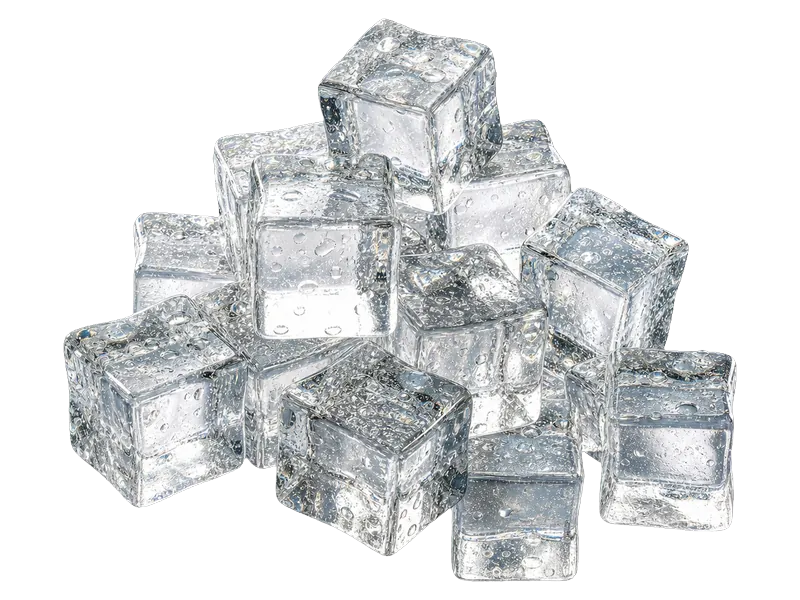
 Cube
Cube 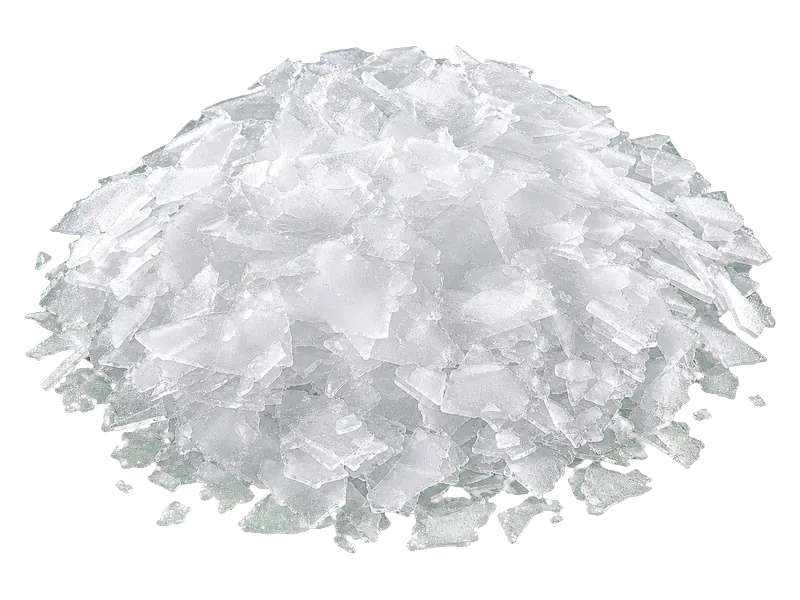 Flake
Flake 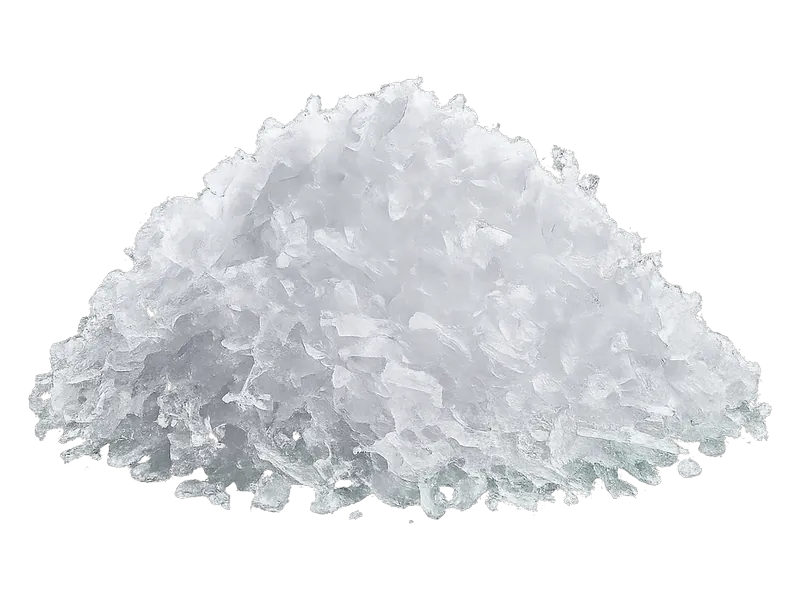 Snowflake
  Nugget
  Gourmet
  Large Cube
  Bullet
  Shaved
 Clarity & melt rate
Denser ice melts slower and looks clearer in the glass — a factor for drink presentation, transport, and display time.
Compare capacities and configurations below, then send your quantity, voltage, and market requirements for a factory quotation.
Model data for this category is being prepared. Send an inquiry and KAISON will recommend suitable models with full specifications within 24 hours.
Request Model ListIce shape affects presentation, melt rate, and machine sizing as much as price does. These four factors decide whether it is the right fit.
Denser ice melts slower and looks clearer in the glass — a factor for drink presentation, transport, and display time.
Daily output is rated over 24 hours, but demand peaks in hours — size the bin so the busiest shift never runs short.
The same ice shape performs differently across bars, restaurants, hotels, and industrial lines — match it to how it will actually be used.
One-button self-cleaning, water filtration, and food-safe materials keep daily commercial use simple and sanitary.
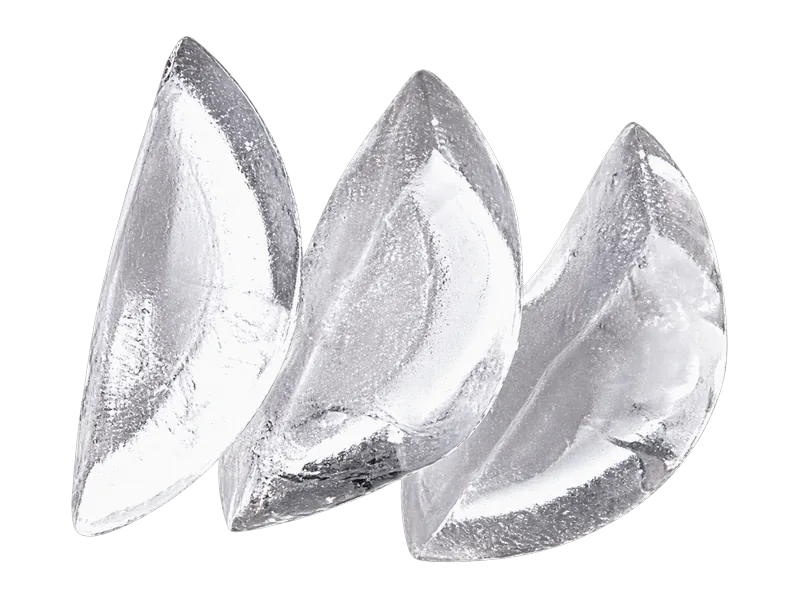
The half-moon shape familiar from American fast-food chains is engineered for speed of service: it pours smoothly, fills cups without jamming, and flows reliably through dispensers.
High cup counts and self-serve fountains with minimal staff attention — see restaurant sizing.
Fountain drinks plus bagged ice from one machine class at gas stations and c-stores.
Dispenser-fed lines where flow reliability beats cube aesthetics — see ice & water dispensers.
Flat-curved pieces pack tightly around bottles and cans in tubs, chilling them faster than loose cubes.
| Item | Detail |
|---|---|
| Ice form | Half-moon pieces off a smooth evaporator plate — no cell grid |
| Flow behavior | Curved pieces slide over each other instead of bridging, so bins and dispenser chutes do not jam mid-rush |
| Pour behavior | Settles into cups without splashing the drink back at the operator |
| Efficiency | Shorter freeze cycles than full-cube grids — lower energy per kilogram |
| Formats | Built-in bin 50–150kg/24h, modular 300kg+, dispenser-top heads |
| Export builds | 110V/60Hz, 220V/50Hz, 220V/60Hz, 380V/50Hz with CE, ETL, FCC, and CB documentation |
Fast-service math is cup-driven: a large fountain drink takes 150–250g of ice. Hot markets should size a step up or specify water cooling in enclosed kitchens.
| Daily cups | Daily ice use | Suggested machine class |
|---|---|---|
| 400 cups | 60–100kg | 100kg/24h built-in bin |
| 800 cups | 120–200kg | 150–200kg/24h cabinet or modular |
| 1,500+ cups | 250kg+ | 300kg+ modular head + bin |
| Dispenser stations | 50–150kg per point | Dispenser-top crescent head per station |
Own factory near Ningbo port with source-level procurement in the refrigeration industrial cluster.
200+ commercial refrigeration models so distributors can complete projects from one supplier.
Private label, appearance, packaging, and parameter customization for your market.
Every machine passes leakage, electrical safety, and ice-making performance tests before shipment.
Every crescent ice machines ships from KAISON's own 20,000㎡ factory in Cixi, Ningbo — cutting, welding, foaming, assembly, and testing all under one roof.

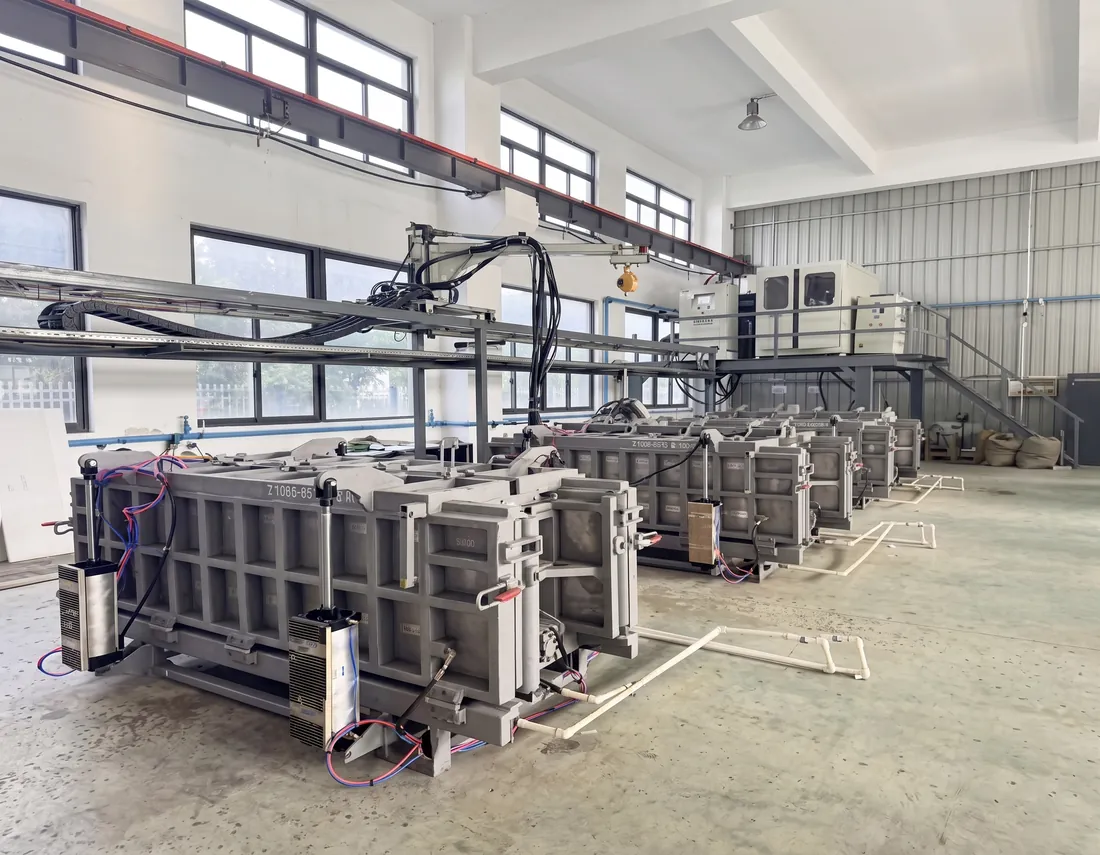
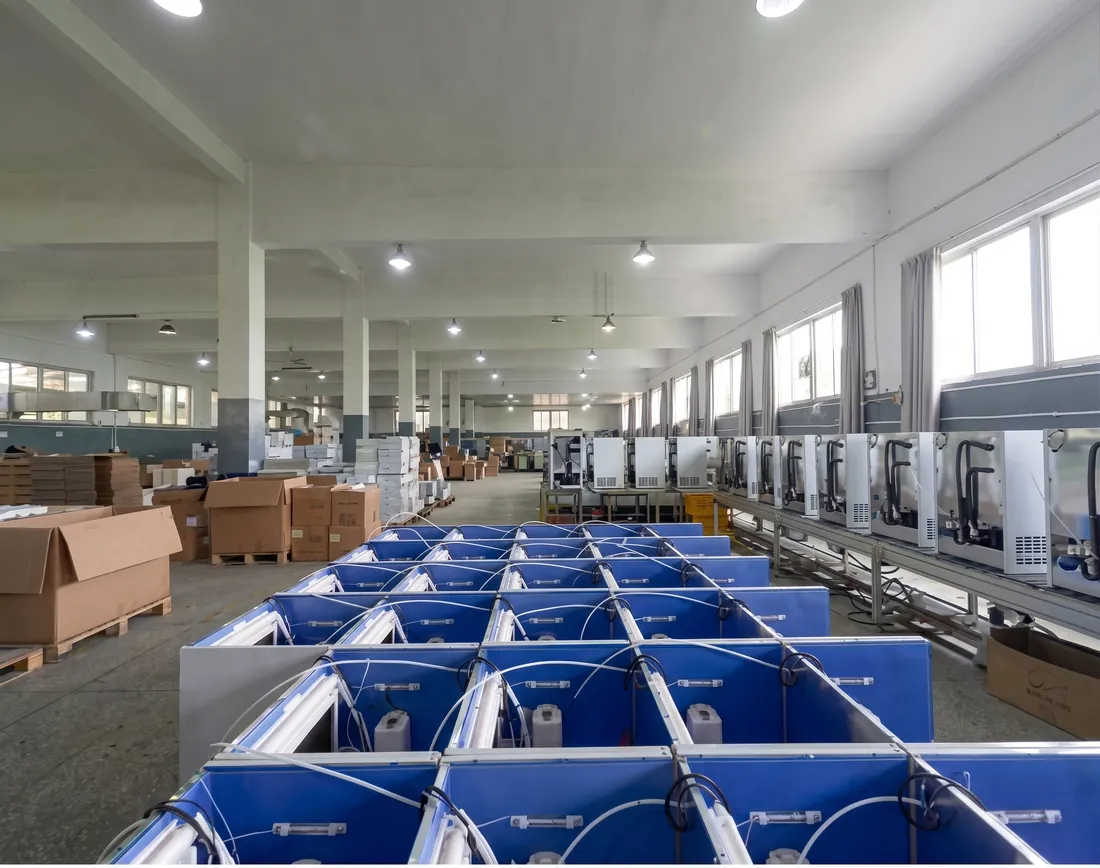


From requirement confirmation to after-sales support, KAISON follows a clear customization path so brand owners and distributors always know their project status.
Application, ice type, daily capacity, voltage, cooling method, and certification needs are confirmed before planning.
Model recommendation, technical specifications, capacity evaluation, and cost analysis, then your branding built in — logo, color, panel finish, and packaging.
A working prototype and engineering drawings are prepared for new designs, adapted to your voltage, frequency, and market requirements.
The sample is tested for ice-making performance, electrical safety, and refrigeration reliability; you approve appearance, output, and packaging before mass production starts.
Incoming inspection, assembly, refrigerant charging, and testing on every unit off the line, then certification documents and export packing under EXW, FOB Ningbo, CIF, or DDP terms.
Installation and maintenance videos, spare parts support, and remote technical guidance for overseas buyers.
Crescent ice is a half-moon shaped ice familiar from American fast-food chains. Its curved profile flows reliably through bins and dispenser chutes, so it dominates quick-service restaurants, convenience stores, and self-serve fountains.
Crescents pour without jamming or splashing and come off a smooth evaporator plate with shorter freeze cycles, so throughput per kilowatt is better. Full cubes win on slow melt and looks; crescents win on speed and reliability.
Yes — it is the preferred shape for dispenser mechanisms because the curved pieces slide over each other instead of bridging and blocking the chute mid-service.
A large fountain drink takes 150–250g of ice, so 800 cups a day needs 120–200kg/24h before headroom. Send your cup counts and KAISON will size the machine and bin.
Yes. The flat-curved pieces pack tightly around product in tubs and display beds, chilling bottles faster than loose cubes — a common secondary use in catering.
Built-in bin cabinets around 50–150kg/24h, modular head-plus-bin systems above 300kg/24h, and dispenser-top heads for ice and water stations.
Yes. KAISON's OEM/ODM program covers logo, cabinet finish, packaging, and manuals, with single-unit samples and 20–35 day production lead times for batch orders.

Ningbo Kaison Electric Appliance Co., Ltd. manufactures commercial ice machines for distributors, importers, foodservice equipment suppliers and private-label OEM/ODM projects.