Written by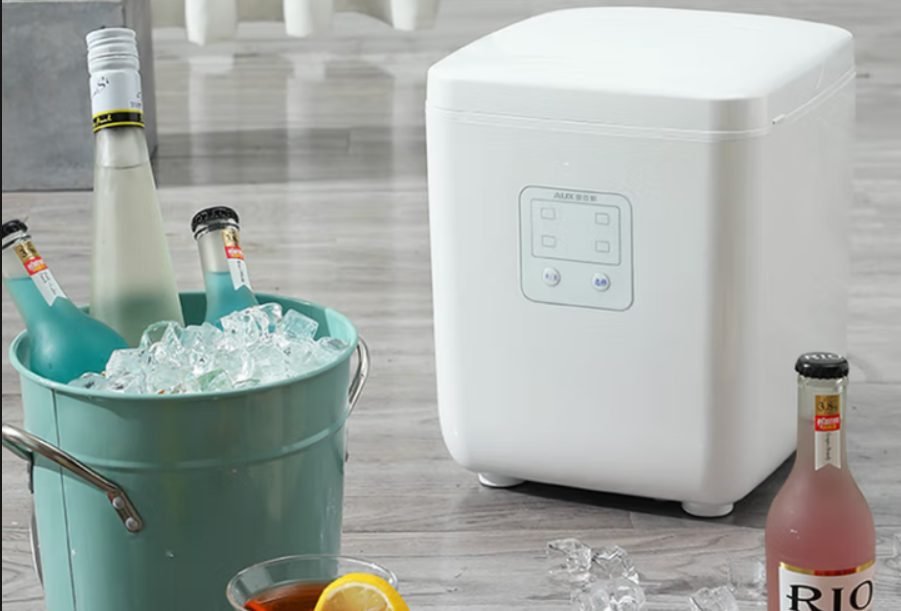
In the first seven months of 2025, China’s e-commerce platforms sold 851,000 ice makers, generating RMB 650 million in sales — a sign that ice makers are moving quickly from commercial kitchens into home living rooms.
According to Zhiyan Consulting, China’s ice maker market reached RMB 2.98 billion in 2024, a CAGR of 8.8% since 2019. Globally, 360iResearch projects the market at USD 6.12 billion in 2025, rising to USD 8.65 billion by 2032 (5.06% CAGR), while Global Market Insights forecasts automatic ice makers reaching USD 7.7 billion by 2035 (7.6% CAGR), driven by hotel and catering expansion.
In China, policy and consumption upgrades are dual drivers. By 2025 the trade-in program covers 12 categories, with RMB 150 billion in subsidies stimulating retail; among young consumers, “ice-cube culture” pushed home ice-maker online sales to 51.5%, surpassing commercial units for the first time. Regionally, North America and Europe together hold over 64% of the market.
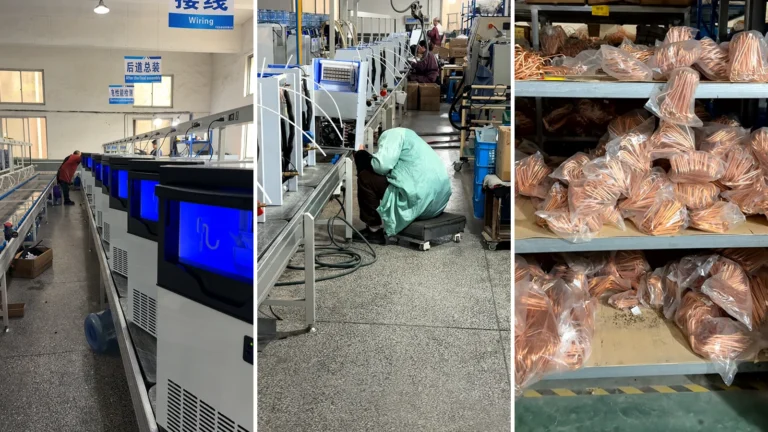
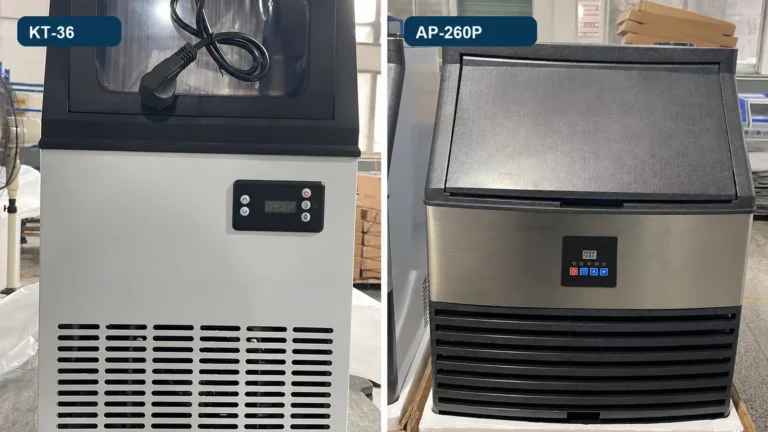
Commercial ice makers make up roughly 51.4% of the global market — a segment still dominated by foreign brands such as Hoshizaki, Scotsman and Manitowoc. Chinese manufacturers are breaking through via industrial clusters: Cixi, Ningbo alone hosts over 2,000 finished-machine makers and nearly 10,000 supporting suppliers. China now counts 36,800 ice-making enterprises, with 7,107 newly registered in 2024 (up 24%).
Policy is being restructured at pace — the 2026 plan for high-quality development of energy-saving equipment prioritizes industrial refrigeration for the first time, while new 2025 national standards and 2026 energy-efficiency labeling rules push the industry toward higher efficiency, sustainability and intelligence. The competitive axis has shifted from “able to produce” to “able to serve”: full-chain customized delivery, remote O&M and global after-sales support are the new barriers, as Chinese makers move from contract manufacturing to service-oriented manufacturing.